
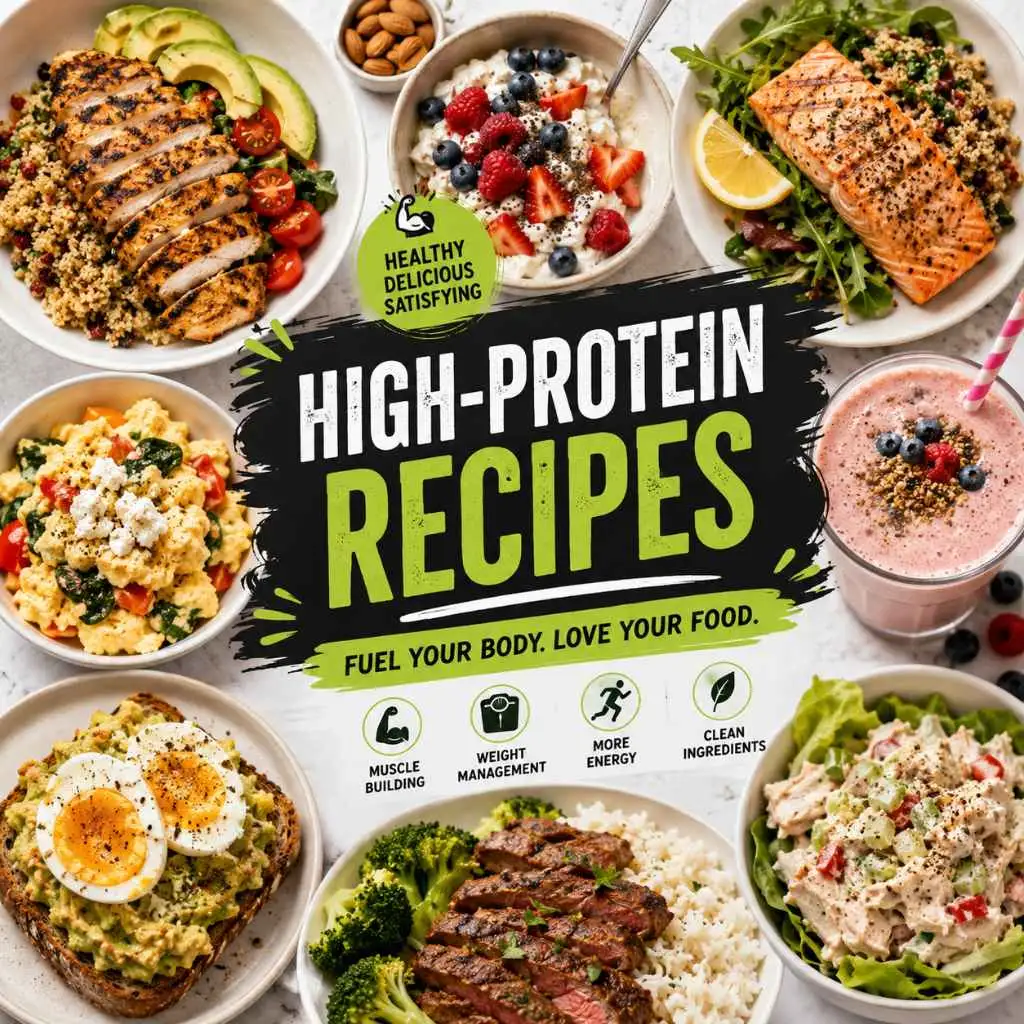
High-protein recipes that taste like food, not punishment — proper meals cooked for real weeknights and picky families. No cardboard, no lectures, just dinners you’ll want seconds of.
Why These High-Protein Recipes Earn a Spot on Your Table
Let’s get one thing straight: high-protein does not have to mean SAD.
You know the drill. You go looking for high-protein recipes and half of what comes back is a plain chicken breast next to a scoop of despair. Not here. The recipes on this page start with real ingredients that happen to be naturally rich in protein — chicken, eggs, Greek yogurt, tofu, lentils, beans — and they’re built to actually taste like something you’d want seconds of. (My kids test that theory nightly. They are brutal, and they are honest, and if it’s not good it does not get made twice.)
And there’s range. This isn’t chicken-and-rice on repeat until you’d rather eat the plate. High-protein cooking covers lentil dahl, tofu stir-fries, Greek yogurt bowls, salmon traybakes, and hearty bean chilli — so whether you eat meat or you skip it, there’s a dinner here with your name on it.
Best part? Most of it is cheap, batch-friendly, and fast enough for a Tuesday when everyone’s yelling and dinner was supposed to happen twenty minutes ago. Browse the categories, skim the FAQs if you’re curious, then get to the recipes. That’s what you came for.
Browse High-Protein Recipes by Category
How to Pick a High-Protein Recipe That’s Actually Worth Cooking
Not every recipe with “protein” in the title earns the name. (Some are basically a crouton wearing a trench coat.) Here’s how I decide what’s worth dirtying a pan for:
- Make sure the protein’s actually there. Look for a real protein source doing the heavy lifting — the main event, not a sad sprinkle on top. If the recipe hands you a number, even better. If it doesn’t, check what’s carrying the plate.
- Lead with the good stuff. Chicken, fish, eggs, Greek yogurt, tofu, tempeh, lentils, beans — these should be the star, not the extra standing in the back of the photo.
- Match it to the moment. Long evening, big appetite? Go hearty. Quick lunch between the chaos? Keep it fresh and simple. Cook for the meal you’re actually having, not the one on someone else’s Instagram.
- Balance the plate. Pair your protein with vegetables and a smart carb so dinner feels like DINNER — not a science project. Nobody ever got excited about a bowl of plain macros.
- Favour the reheat-friendly ones. Recipes that keep well without turning to rubber are the ones you’ll actually make again. Future-you, standing at the fridge at 9pm, says thanks.
- Cook for your table. Vegetarian, dairy-free, gluten-free — there’s a protein for that. If you’re building a meat-free plate, pair beans or lentils with a grain and you’ve covered your bases. Swap freely; these recipes are more forgiving than they look.
Alright — enough strategy. Time to bring you some bites.
12 High-Protein Recipes to Try Tonight
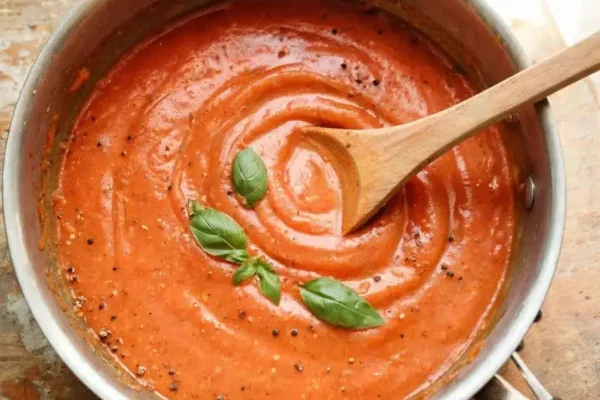
High Protein Pasta Sauce (Creamy Cottage Cheese, 15 Min)
The finished high protein pasta sauce — a creamy cottage cheese sauce blended smooth and tossed through pasta.
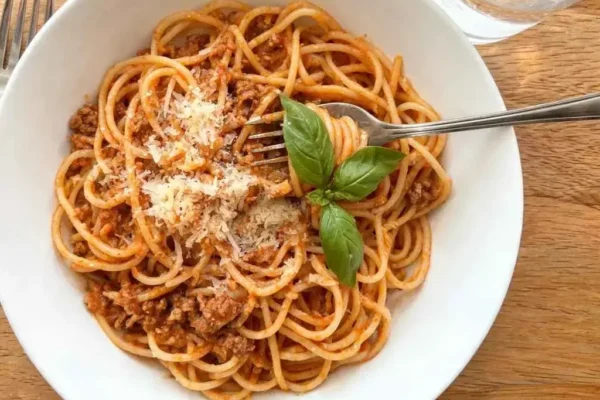
High Protein Spaghetti Recipe — 45g Protein, One Pot
A finished bowl of high protein spaghetti made with protein pasta, lean ground beef, and blended cottage cheese.
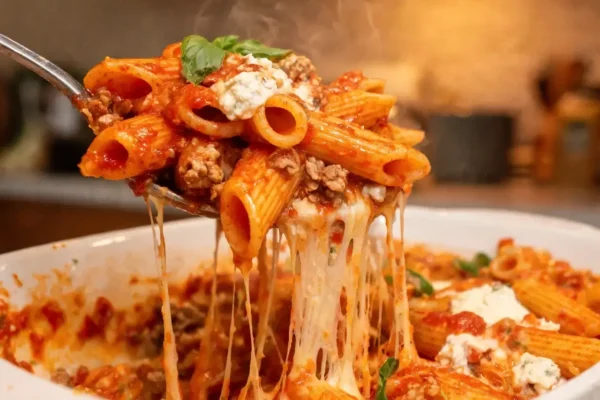
Protein Penne Pasta: Cheesy Baked Penne, 40g Protein
This baked protein penne pasta comes out cheesy and golden with ground turkey, marinara, and a ricotta swirl for about 40g protein per serving.
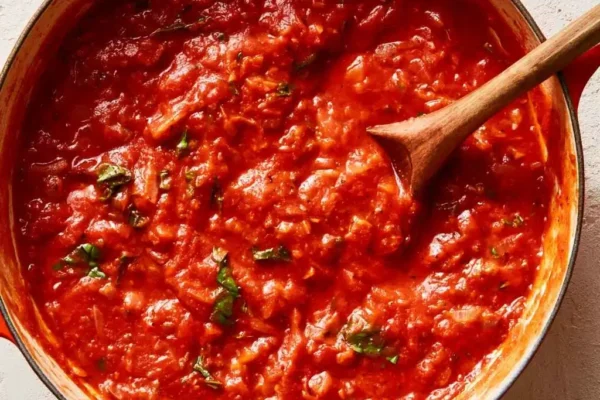
High Protein Red Sauce Pasta: Easy 47g-Protein Recipe
The finished high protein red sauce pasta — a creamy tomato sauce over protein pasta, topped with basil and Parmesan.
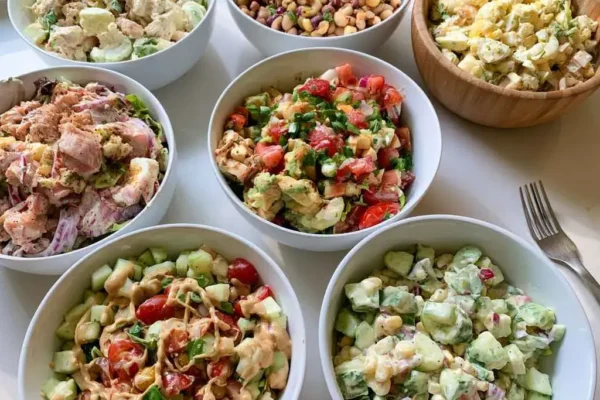
7 High Protein Salad Recipes (20–35g Protein)
A spread of seven easy high protein salad recipes, each ranked by grams of protein per serving for quick meal-prep lunches.
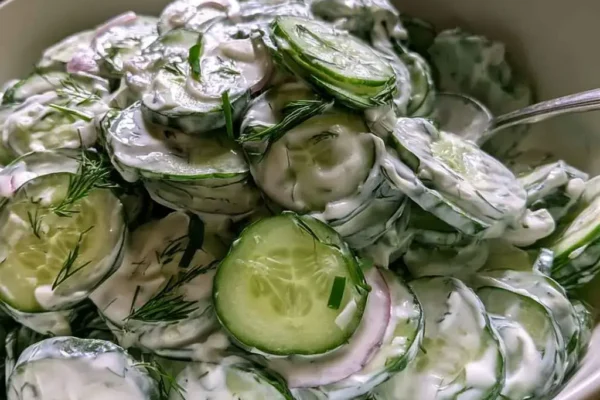
High Protein Cucumber Salad (Creamy, No-Cook)
A close-up of finished high protein cucumber salad in a white bowl, made with a blended cottage cheese and Greek yogurt dressing.
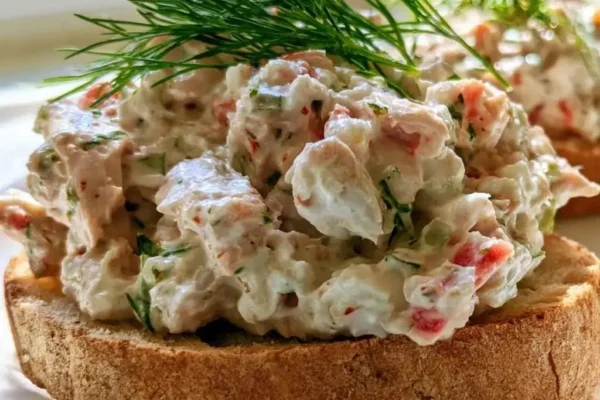
Tuna Salad with Greek Yogurt (22g protein)
A finished bowl of tuna salad with greek yogurt, flecked with celery, red onion and dill, served alongside toasted sourdough.
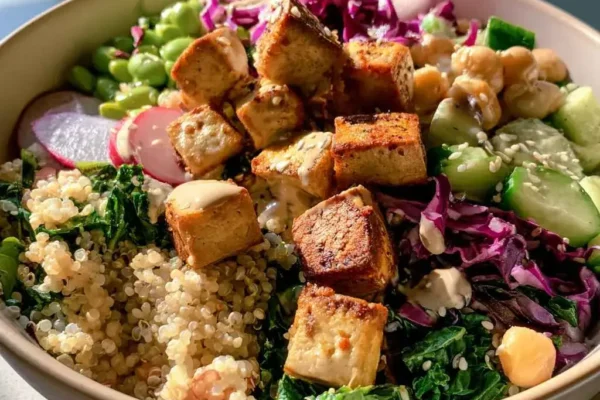
High Protein Vegan Salad (31g) with Tahini Dressing
The finished high protein vegan salad — crispy baked tofu, edamame, quinoa, seeds and a creamy tahini dressing in one hearty bowl, about 31g protein per serving.
High-Protein Recipes FAQs
What is a high-protein recipe?
A high-protein recipe is one built around a real protein source — chicken, fish, eggs, Greek yogurt, tofu, tempeh, lentils, or beans — as the main event rather than a garnish. If the protein is carrying the plate instead of sitting on the side, you’re looking at one. Many recipes here list the protein per serving, so you know exactly what you’re getting.
What are some small, low-budget, high-protein meals for college students?
Eggs on toast, tinned tuna pasta, bean-and-rice bowls, lentil soup, and overnight oats with Greek yogurt are all cheap, filling, and barely need equipment. Eggs, tinned fish, dried lentils, and canned beans are some of the lowest cost-per-gram protein sources going. Cook a big batch of rice or lentils on Sunday and you’ve got the base for three or four different meals all week.
What are some high-protein, satisfying breakfast ideas that aren’t just eggs?
Plenty beyond the scramble: Greek yogurt bowls with fruit and nuts, cottage cheese on toast, overnight oats made with milk, smoothies blended with yogurt or silken tofu, or a savoury bean-and-avocado wrap. Want something warm? Porridge stirred with peanut butter and seeds does the job. All hit the spot without an egg in sight.
What are some really simple high-protein meals I can make with minimal cookware?
If you’ve got one pan and a kettle, you’re sorted. One-pan chicken-and-veg traybakes, a single-pot bean or lentil chilli, and one-pot tuna pasta cover the cooked end; no-cook assemblies like a yogurt bowl or a chickpea salad cover the rest. A microwave alone gets you scrambled eggs, baked beans, and steamed veg over rice.
What are some easy-to-make high-protein meals for beginners?
Start where it’s hard to go wrong: sheet-pan chicken and vegetables, a quick tofu or prawn stir-fry, scrambled eggs with beans, or a lentil soup you basically simmer and forget. They use a handful of ingredients, forgive rough measuring, and still land a proper protein source on the plate. Once one clicks, the rest feel easy.
How do you meal prep high-protein meals for the entire week?
Batch-cook your proteins and grains first — roast a tray of chicken, simmer a pot of lentils, boil a batch of rice or quinoa. Then mix and match into containers with different veg and sauces so it never feels like the same meal five days running. Most keep 3–4 days in the fridge; freeze anything you won’t reach by day four, and keep dressings separate so nothing goes soggy.
What are the best plant-based high-protein sources?
Tofu, tempeh, edamame, lentils, chickpeas, black beans, and seitan lead the pack, backed up by nuts, seeds, quinoa, and Greek-style plant yogurts. Pairing beans or lentils with a grain like rice covers your bases nicely. Rotate a few of these and you’ll rarely eat the same plate twice.
What do you actually eat for high-protein vegetarian lunches when you’re tired of the usual stuff?
When I’m sick of the same salad, I rotate the format more than the protein: crispy tofu grain bowls with peanut sauce, a chickpea-mash sandwich, halloumi-and-roasted-veg wraps, edamame egg-fried rice, or a big lentil tabbouleh. Same handful of core ingredients, four completely different lunches. That’s usually all it takes to break the rut.