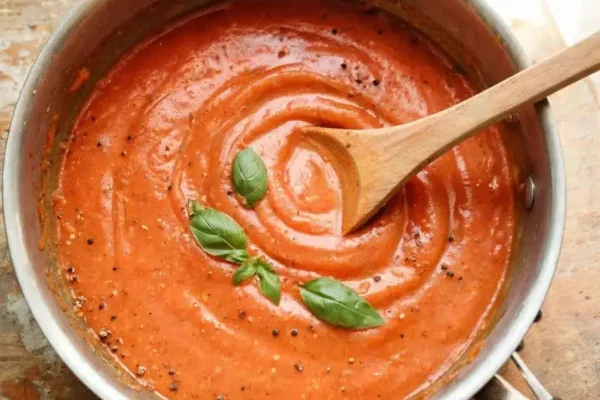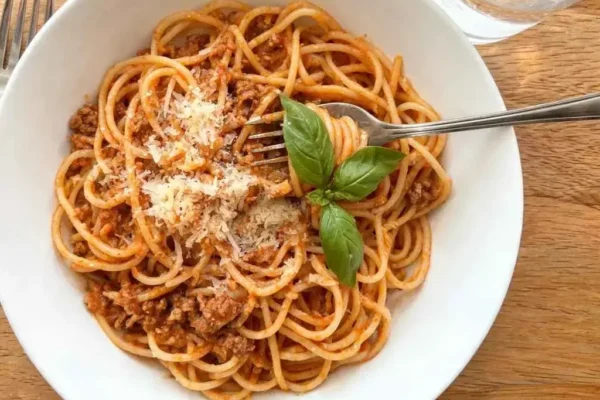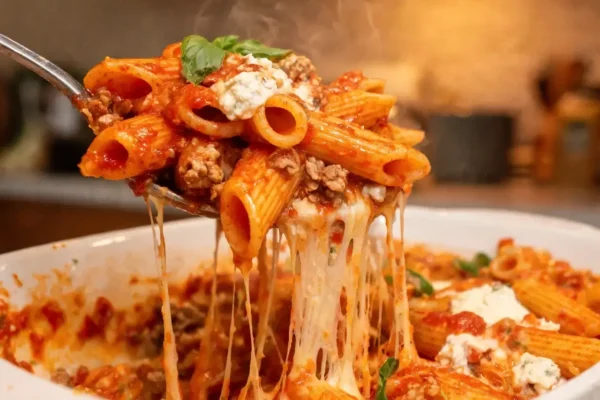
It’s getting late. You’re staring into the fridge, the kids are feral, and you’ve got about nine minutes before someone starts gnawing on the furniture. This is the exact moment high protein pasta was invented for. The short version: blend cottage cheese into a smooth sauce, toss it with a protein-style noodle, and add chicken or beans. That’s a high protein pasta recipe with around 45 grams of protein per serving, one pan, and 25 minutes start to finish. NOT cereal-for-dinner. Never again.
I’m going to be honest with you up front, just like I like Nickelback and I’m not afraid to admit it either: most “healthy” pasta online tastes like wet cardboard wearing a sad little parmesan hat. We’re not doing that here. We’re doing creamy. We’re doing cheesy. We’re doing the kind of bowl my teenage son will eat without doing the heavy sigh first. (If you have a teenager, you know the sigh. The sigh has a personality.)
Why You’ll Love This Recipe
I have made a LOT of protein pasta recipes in my time (I consider myself an expert at sneaking protein into food without anyone noticing — it’s on my business card, metaphorically). Here’s why this one earned a permanent spot on my weeknight rotation.
- It’s genuinely creamy. Not “creamy for a healthy recipe.” Creamy like the sauce you’d order at a restaurant and then think about for three days.
- 45 grams of protein per serving. Stated as a fact, not a sales pitch — the number comes from the pasta, the cottage cheese, and the chicken doing a little teamwork.
- One pot, one blender, 25 minutes. The dishes situation is dignified. You will not be scrubbing pans at 9pm questioning your choices.
- Even my picky family can’t tell the difference. That’s my highest bar. If they can’t tell, you win.
(makes “serious” face) Now, before we get to the good part, we need to talk about pasta brands for a second. Stick with me.
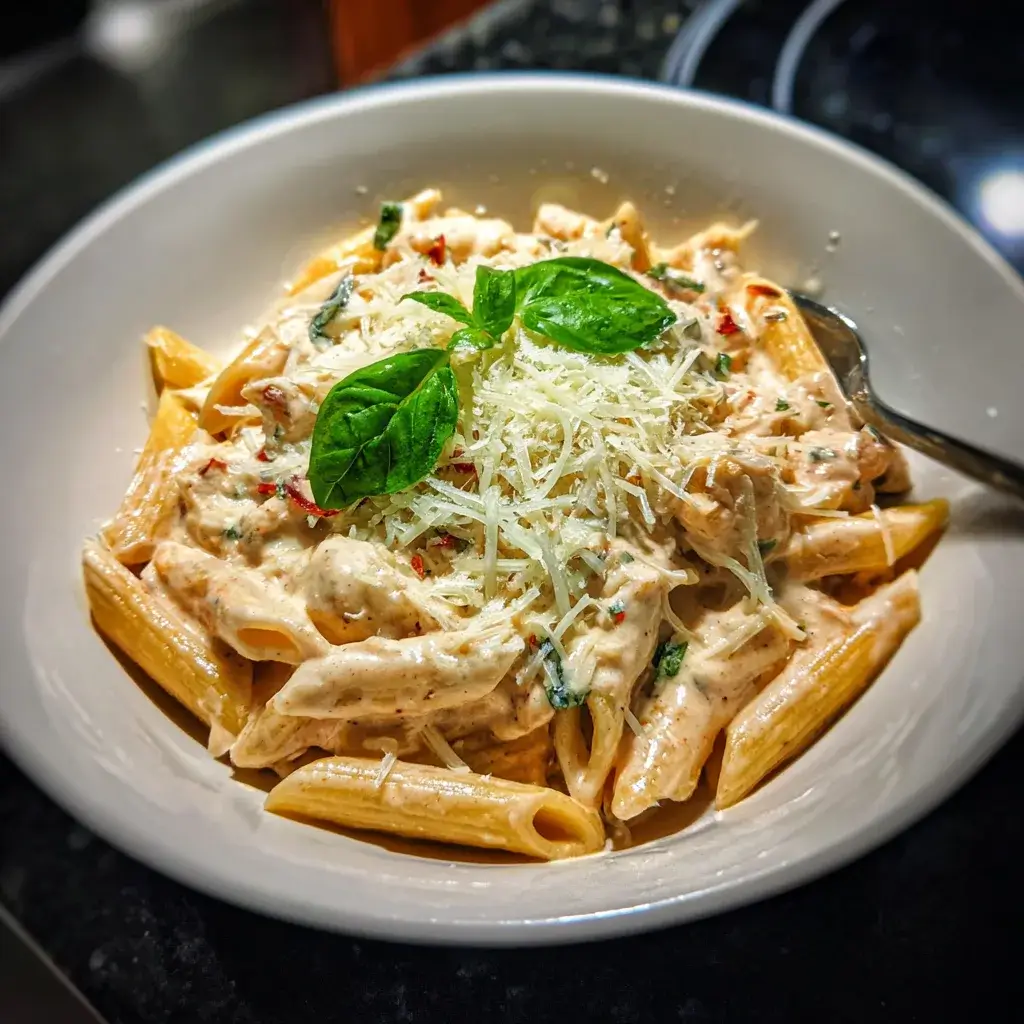

High Protein Pasta (Creamy, 45g) – Meat or Meatless
Ingredients
Equipment
Method
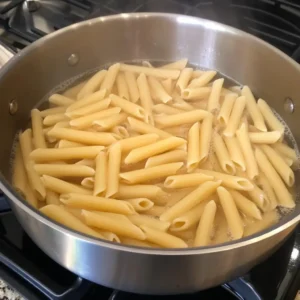
- Bring a large pot of well-salted water to a boil. Cook the pasta until just al dente — and if you're using a legume noodle (chickpea, lentil, edamame), pull it a full minute before the box says to. Reserve 1 cup of pasta water, then drain.
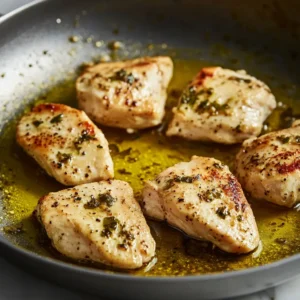
- While the pasta cooks, heat olive oil in a large skillet over medium-high heat. Season the diced chicken with Italian seasoning, salt, and pepper, then sear until golden brown and cooked through, about 6–8 minutes. (For the meatless version: skip the searing and warm 1 can of drained white beans in the skillet instead, about 2 minutes.)
- Add the cottage cheese, parmesan, milk, garlic, salt, and pepper to a blender. Blend on high for 30–45 seconds, scraping the sides once, until completely smooth and silky. No visible curds.

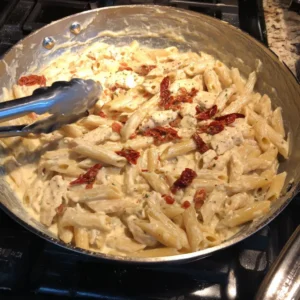
- Reduce the skillet heat to low. Pour in the blended sauce, add the chopped sun-dried tomatoes, and stir to combine. Add the drained pasta and toss to coat, loosening with a splash of reserved pasta water as needed until the sauce coats every noodle.
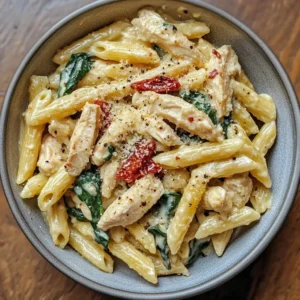
- Stir in the baby spinach and cook just until wilted, about 1 minute. Taste and adjust salt and pepper. Top with extra parmesan and cracked pepper, and serve immediately.
Nutrition
Notes
Tried this recipe?
Let us know how it was!What Makes This a High Protein Pasta
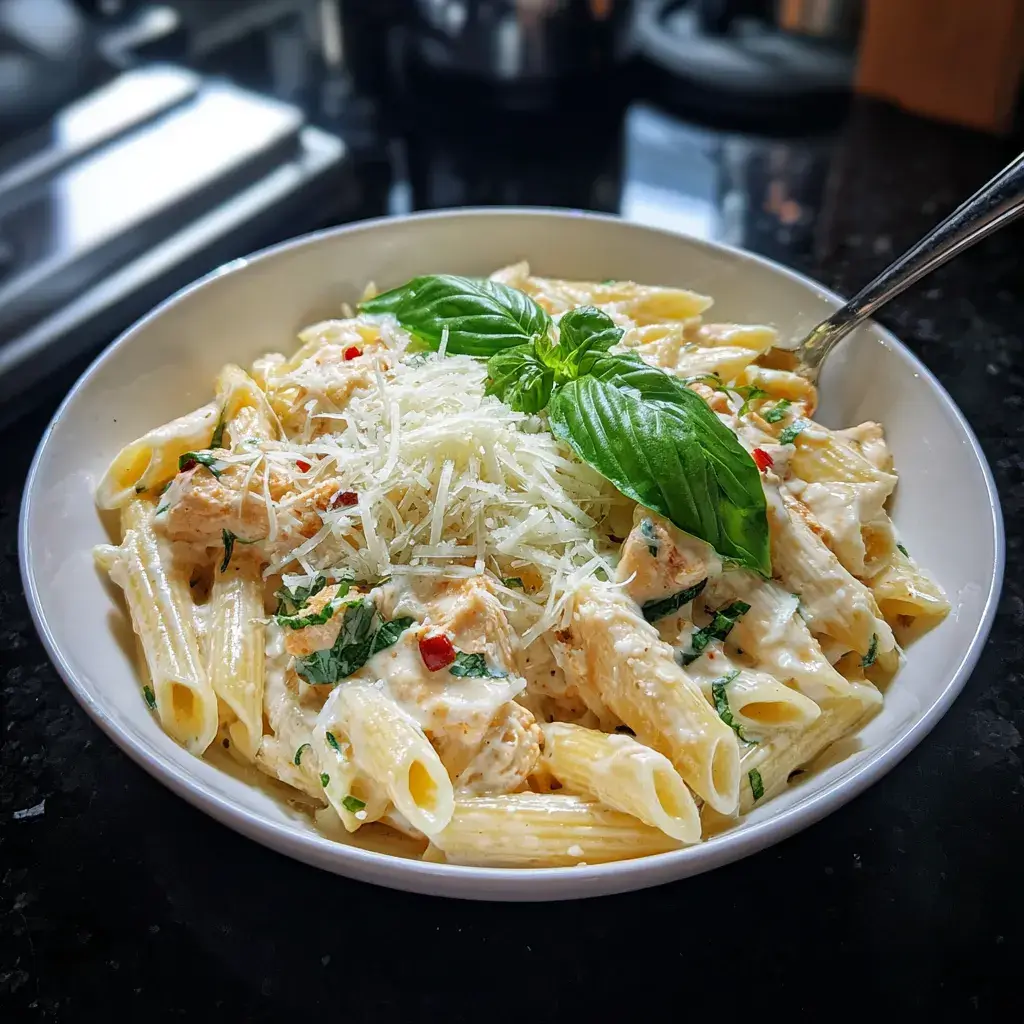
Here’s the trick the best high protein pasta recipes all share: you don’t rely on one ingredient to do the heavy lifting. You stack three. The noodle brings some. The blended cottage cheese sauce brings a lot. The chicken (or beans) brings the rest. Add them up and you’ve got a real protein number instead of a hopeful one.
Regular pasta gives you roughly 7 to 8 grams of protein per 2-ounce dry serving, according to USDA FoodData Central. Not nothing — but not the headline either. So the question isn’t “is there protein in pasta,” it’s “how do I make protein pasta carry an entire meal.” The answer is: the sauce, the noodle, and a smart add-in. Let’s break each one down.
The Best High Protein Pasta to Use (and a High Protein Pasta Alternative for Every Mood)
This is the part nobody else seems to put in one place, so here’s your cheat sheet. Every legume noodle is a high protein pasta alternative to plain wheat — they just behave differently. Serving sizes vary wildly between brands, so always glance at the box, but here’s the lay of the land:
| Pasta type | Protein (approx.) | Texture | Best for |
|---|---|---|---|
| Chickpea (e.g., Banza) | ~14–23g | Firm, slightly nutty | Saucy, baked, and creamy dishes |
| Edamame | ~24g | Bouncy, distinct color | Cold salads, big-flavor sauces |
| Red lentil | ~13–20g | Hearty, softens fast | Cozy bowls (undercook it!) |
| Wheat-protein blend (e.g., Barilla Protein Plus) | ~10g | Closest to “real” pasta | Picky eaters and skeptics |
| Regular semolina | ~7–8g | The classic | When the sauce does the work |
Approximate protein per labeled serving — confirm on your specific package.
My honest take? Chickpea pasta is the workhorse here because it holds its shape in a creamy sauce. But if you’ve got a household of skeptics, the wheat-protein blend is your gateway drug — it tastes so close to normal that nobody files a complaint. And yes, this all works with protein spaghetti too, if long noodles are your love language.
Writing about pasta brands with this much enthusiasm is, I’m aware, a little sus. The fact that you’re still reading clearly shows you’re a glutton for punishment. I respect it. Let’s keep going.
The Cottage Cheese Sauce (The Real MVP)
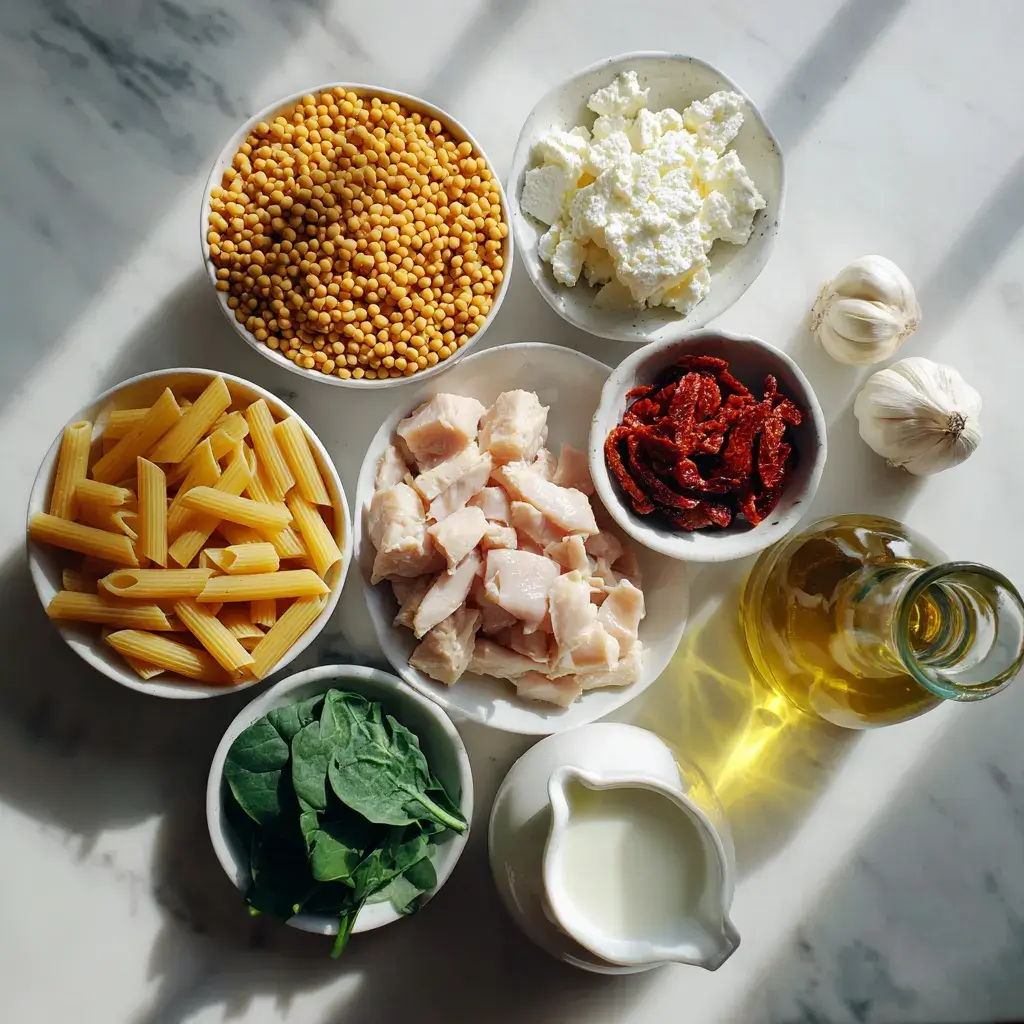
Okay, here’s where I tell you the secret and you make a face. The entire high protein pasta sauce is built on blended cottage cheese. I know. I KNOW. But hear me out: once you blend it, the curds vanish and you’re left with a silky, tangy, parmesan-loving base that tastes like it has no business being this light on effort.
This is basically a cottage cheese pasta in a trench coat, pretending to be fancy alfredo. Blend the cottage cheese with parmesan, a splash of milk, garlic, salt, and pepper until it’s completely smooth — no shortcuts, get it silky. That blended base is also a fantastic standalone protein pasta sauce you can keep in the fridge and toss with whatever noodle you’ve got hiding in the pantry.
How to Make Protein Pasta, Step by Step
Here’s how to make protein pasta that comes together while you’re still deciding what to watch. Five moves. That’s it.
- Boil the pasta. Salt the water like you mean it. Cook to just-al-dente — and if you’re using a legume noodle, pull it a full minute early. Reserve a cup of pasta water before draining (this is the move people skip and then regret).
- Cook your protein. Sear diced, seasoned chicken in a little olive oil until golden. Going meatless? Warm up a can of drained white beans instead — easy swap, no drama.
- Blend the sauce. Cottage cheese, parmesan, milk, garlic, salt, pepper. Blend until SILKY. Curds are not invited to this party.
- Bring it together. Add the sauce, sun-dried tomatoes, and pasta to the pan over low heat. Splash in pasta water until it coats every noodle like it owes you money.
- Finish strong. Stir in the spinach until it wilts, crack more pepper on top, shower it with parmesan, and serve. Time to bring you some bites!
Meat Version vs. Meatless Version
This is the part where I refuse to make you choose, because both are great and I’m not your boss.
The chicken version
Diced chicken breast (or thighs — they’re juicier and I will not be taking questions) seared with Italian seasoning. This is what pushes the bowl to around 45 grams of protein and makes it feel like a proper dinner.
The high protein vegetarian pasta version
Swap the chicken for white beans, chickpeas, or plant-based sausage and you’ve got a high protein vegetarian pasta that still lands in serious protein territory thanks to the cottage cheese base. My meatless testers (a deeply suspicious bunch) came back for seconds, and that’s when I knew I had something special.
Variations to Make It Yours
- High protein low carb pasta night: reach for edamame noodles, which keep the carbs down while keeping protein up — an easy high protein low carb pasta swap with zero recipe changes.
- Veg it up: sauté mushrooms, zucchini, or cherry tomatoes in the pan before the sauce goes in.
- Spice it: a pinch of red pepper flakes or a spoonful of Cajun seasoning on the chicken. (I keep Frank’s around for exactly this. A little, not a lot — restraint is the whole game.)
- Go long: use protein spaghetti instead of short shapes if you’re a twirler, not a scooper.
High Protein Pasta Meal Prep & Storage
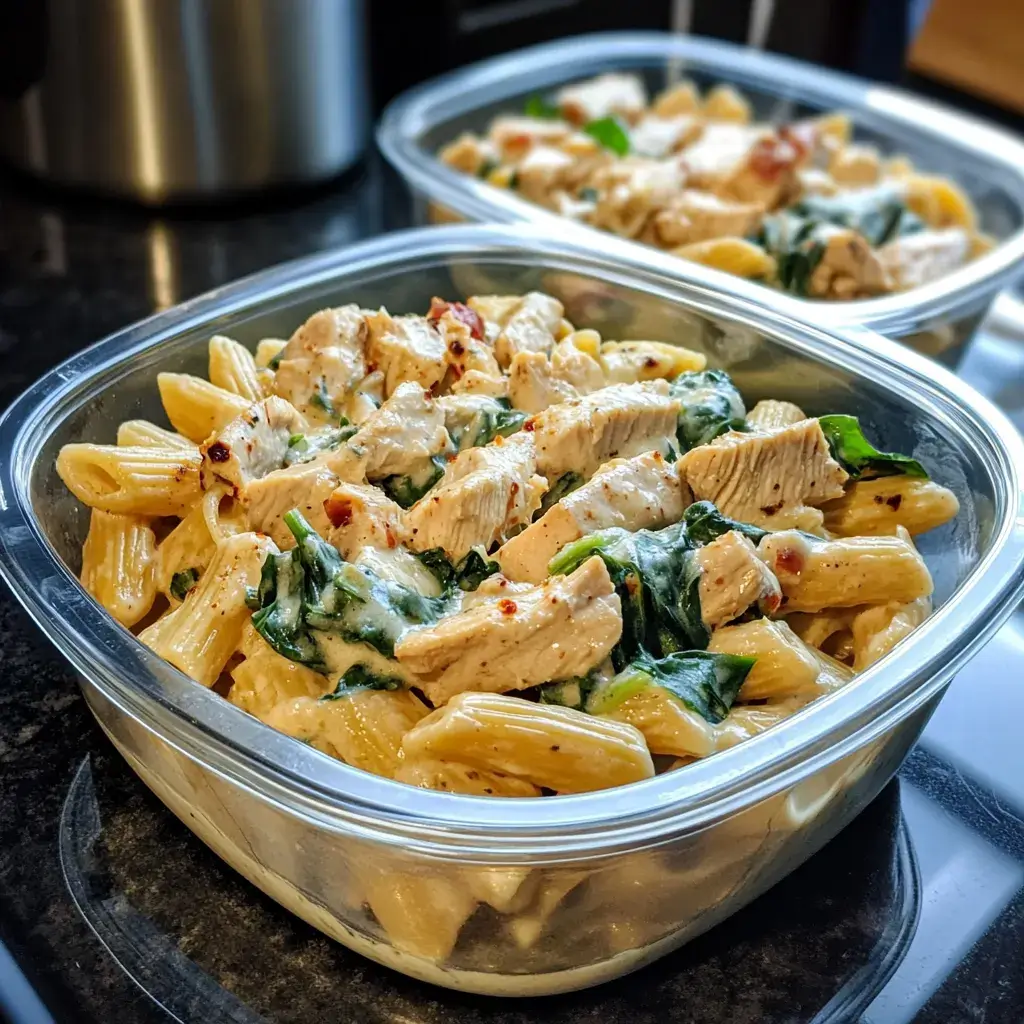
This bowl was basically built for high protein pasta meal prep. Portion it into airtight containers and it’ll keep in the fridge for three to four days — perfect for the “I refuse to think about lunch tomorrow” version of you (we’ve met, she’s great).
- Reheat in the microwave or a skillet with a splash of water to wake the sauce back up.
- Undercook the pasta slightly if you’re prepping ahead, since legume noodles keep softening in the fridge.
- Freezing? I don’t love it — protein pastas tend to go mushy after a thaw. Fridge is your friend here.
Tips for Getting It Right Every Time
Blend the sauce longer than feels necessary
The number one reason a cottage cheese sauce disappoints is undermixing. You want zero curds — completely smooth, almost glossy. Give it an extra 20 seconds and scrape the sides.
Save that pasta water like it’s the last cup on earth
The starchy water is what turns the sauce from “fine” to “glossy restaurant coating.” Add it a splash at a time off the heat until the sauce hugs every noodle.
Don’t boil the sauce
Keep the heat low once the sauce goes in. Cottage cheese-based sauces can get grainy if you let them roll at a hard boil. Low and slow. Gentle. Be the calm presence the sauce needs.
Respect the legume noodle
Chickpea and lentil pastas go from “perfect” to “mush” in about 90 seconds. Set a timer, pull it early, and trust that it’ll finish cooking in the warm sauce.
More high protein recipes
If this one hit the spot, you’re going to want these in your back pocket too:
- 5 High Protein Chicken Recipes
- High Protein Chicken Salad
- High Protein Chicken Enchiladas
- High Protein Buffalo Chicken Dip
- High Protein Buffalo Chicken Mac and Cheese
High Protein Pasta Recipe FAQs
How do you make pasta high in protein?
Start with a protein-style pasta made from chickpeas, lentils, or edamame, then build the sauce around a protein source. Blending cottage cheese into the sauce and adding chicken or beans is the fastest way to push one bowl past 40 grams of protein.
What is the best protein pasta to buy?
It depends on texture. Chickpea pasta holds up in saucy dishes, edamame has one of the highest protein counts, and wheat-blend pastas taste closest to regular pasta. Brands define a serving differently, so check the label.
How much protein is in protein pasta versus regular pasta?
Regular semolina pasta has about 7 to 8 grams of protein per 2-ounce dry serving. Legume-based protein pastas typically range from roughly 11 to 24 grams per serving depending on the bean or blend.
Can you use cottage cheese to make pasta sauce?
Yes. Blended until smooth, cottage cheese loses its curds and becomes a creamy, parmesan-friendly base. It’s the backbone of this sauce and a tidy stand-in for heavier cream sauces.
Is protein pasta gluten free?
Many legume-based pastas from chickpeas, lentils, or edamame are naturally gluten free, but wheat-blend pastas are not. Check the packaging if you need a certified gluten-free option.
Can you make it ahead for meal prep?
Absolutely. Portion into airtight containers and refrigerate for three to four days. Undercook the noodles slightly and reheat with a splash of water.
Why does my protein pasta get mushy?
Legume pastas overcook fast. Pull them a minute before the box says al dente and don’t let them sit in hot sauce on the heat for long.
The Bottom Line
If you’ve ever choked down a chalky “healthy” noodle and felt personally betrayed, this is your redemption arc. A good high protein pasta isn’t about suffering through it for the macros — it’s a creamy, cheesy, genuinely-crave-able bowl that just happens to carry 45 grams of protein and come together in 25 minutes. That’s the whole pitch. No sermon.
Make it once, tweak it to your taste, and report back. And if your teenager eats it without the sigh? Tell me immediately. That kind of win makes my feel goods go wild.