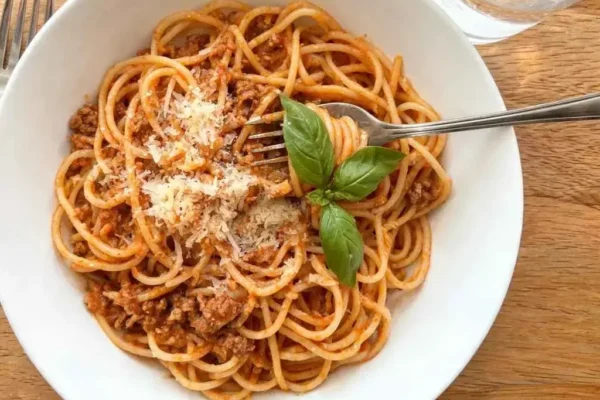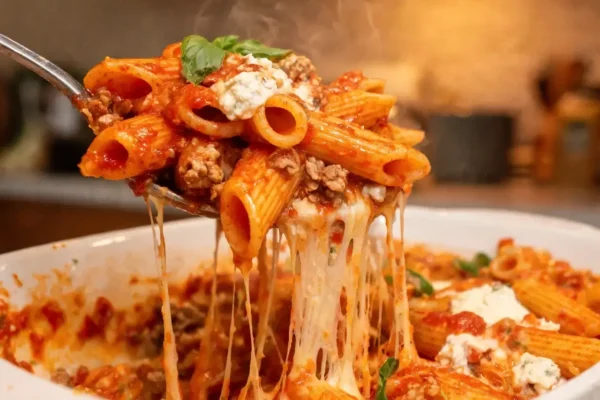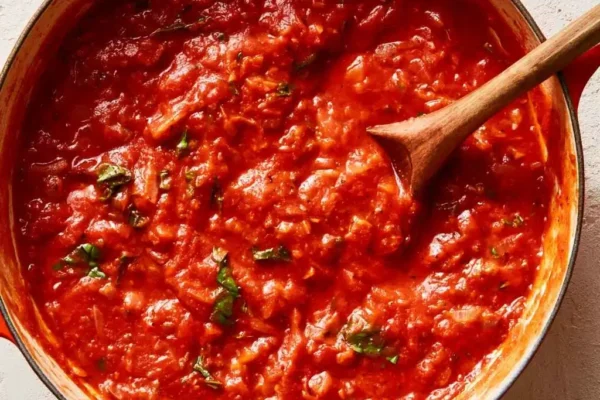
It’s 6:47 p.m. You’re hungry, the pan’s cold, and the little voice in your head is whispering just order the pizza. I am here to tell you to ignore that voice. This high protein pasta sauce comes together faster than delivery would even confirm your order — six ingredients, one blender, fifteen minutes, done. It’s creamy like it has no business being, it clings to noodles like it means it, and the not-so-secret ingredient is cottage cheese. (Stay with me. I promise nobody at your table is going to taste “cottage cheese.” My picky family can’t, and they’d absolutely rat me out if they could.)
I’ve made a lot of sauces in my life. I’ve also made a lot of sad sauces — the kind that separate into a grainy, heartbroken puddle the second they hit heat. So before we get to the good part, I want to actually teach you the thing every other recipe skips: how to make a high protein pasta sauce that stays smooth instead of curdling into regret. Deal? Deal.
The Night This Sauce Earned Its Spot
Here’s the honest origin story: I had a tub of cottage cheese in the fridge that I’d bought with big “I’m going to be a person who snacks on cottage cheese” energy, and exactly zero follow-through. It was staring at me. Judging me, honestly.
So I threw it in the blender with some fire-roasted tomatoes I’d cooked down, hit the button, and poured the result over rigatoni while fully expecting to be disappointed. Instead my kid — the same kid who once declared a green flake of oregano “an act of betrayal” — asked for seconds. Then thirds. That’s the moment. When the toughest critic at the table goes back for more, I knew I had something special. This became our default weeknight protein pasta sauce, and it has not left the rotation since.
Why This Cottage Cheese Pasta Sauce Works
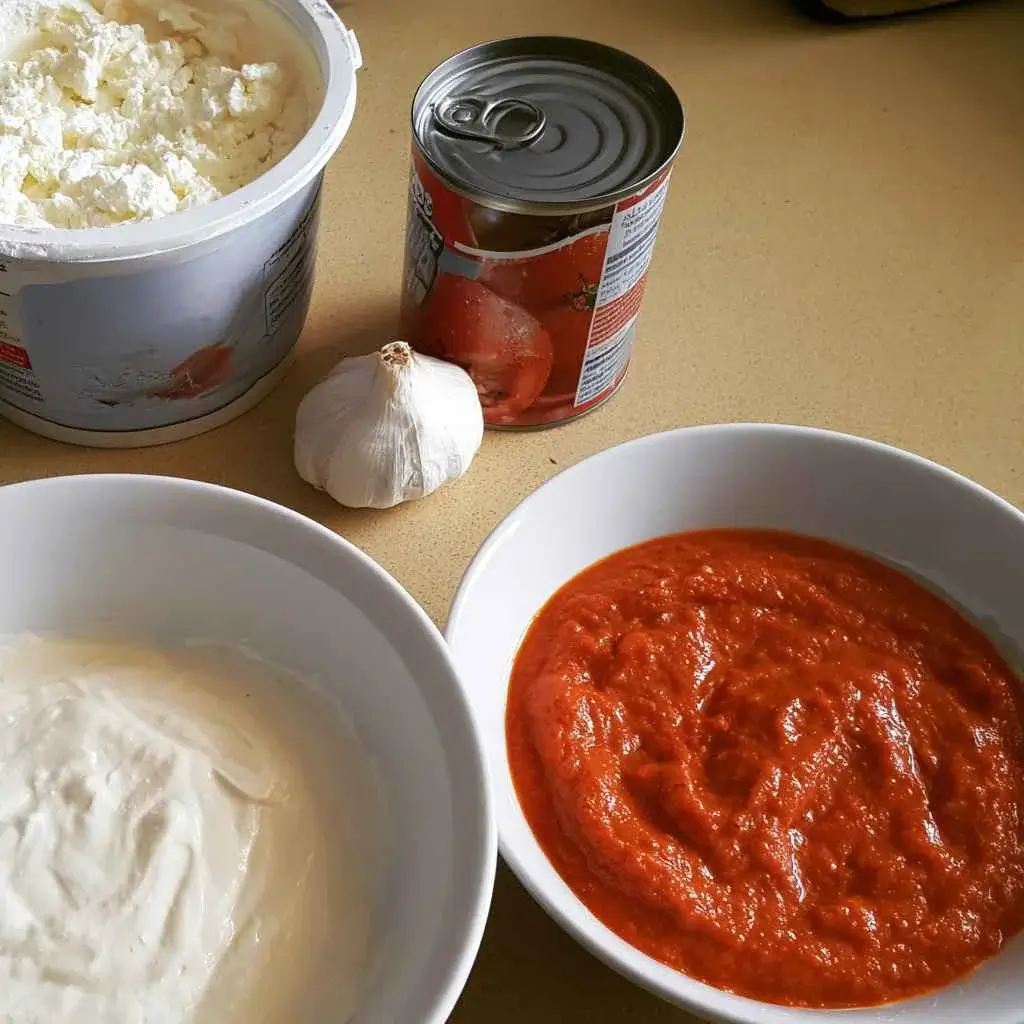
Most creamy sauces get their creaminess from heavy cream and a stick of butter doing a trust fall. This one gets it from blended cottage cheese, which turns unbelievably silky once it’s spun smooth. That’s the whole magic trick. You end up with a healthy pasta sauce that reads as indulgent — creamy tomato, a little tang, a lot of body — without the heaviness you’d expect. And because cottage cheese is naturally loaded with protein, this high protein pasta sauce brings roughly 14 grams per bowl before you’ve even added noodles or a protein on top.
If you’ve ever searched for a low calorie pasta sauce and been handed something that tastes like warm ketchup, I get the skepticism. This isn’t that. Blending is what separates a genuinely creamy cottage cheese pasta sauce from a grainy science experiment — and it’s the step the internet keeps forgetting to mention.
What You’ll Need
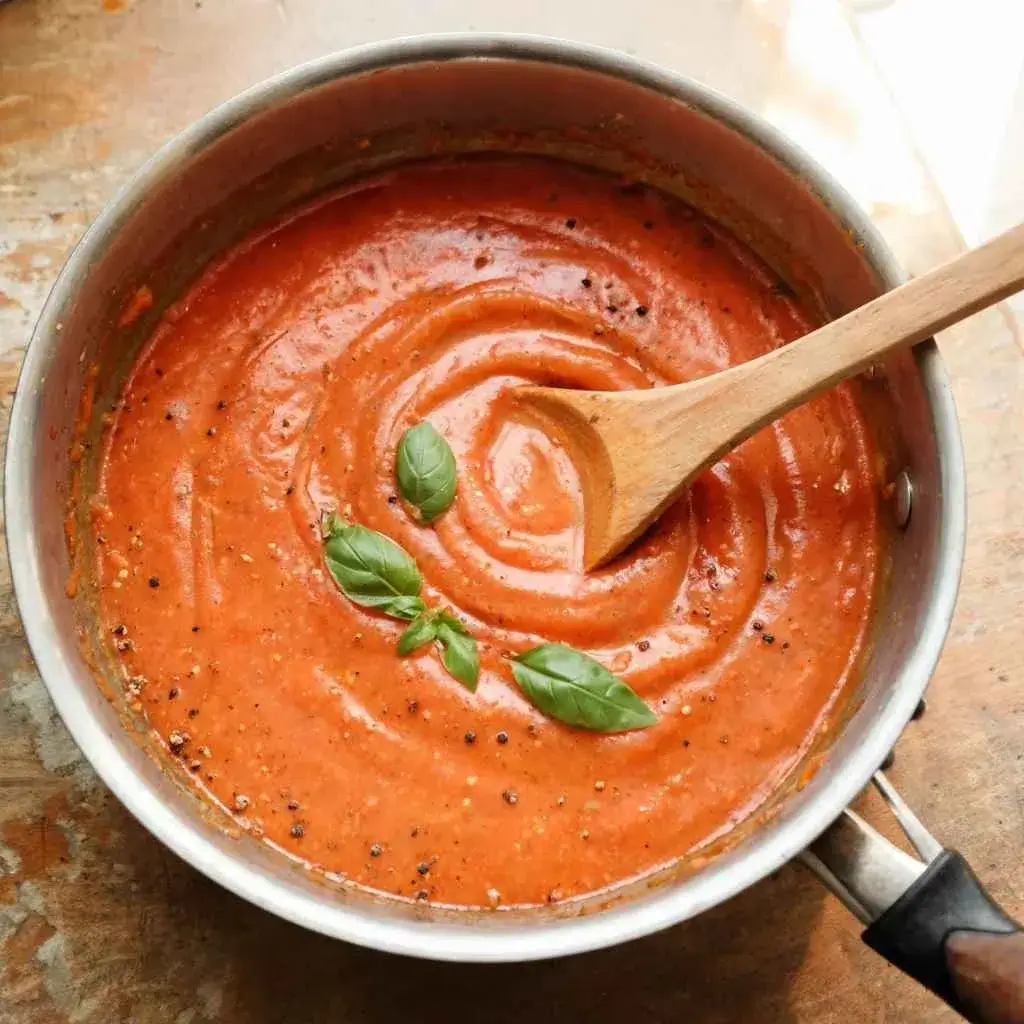

High Protein Pasta Sauce Recipe
Ingredients
Equipment
Method
- Warm a pan over medium heat. Add the oil and minced garlic and cook 1–2 minutes until fragrant and lightly golden.
- Add the fire-roasted tomatoes and lemon juice. Keep everything moving until most of the liquid cooks off, about 7–10 minutes.
- Pull the pan off the heat and let it cool for a few minutes so the cottage cheese won’t seize.
- Add the tomato mixture, cottage cheese, and broth to a blender. Blend 2–3 minutes until completely smooth.
- Toss with hot pasta off the heat or over very low heat. Do not let it boil.
Nutrition
Video
Notes
Tried this recipe?
Let us know how it was!Six ingredients. That’s the whole cast. Here’s what each one is doing and what you can swap:
- Cottage cheese (¾ cup) — the star. Full-fat blends creamiest; low-fat and fat-free work but run thinner.
- Fire-roasted diced tomatoes (14.5 oz) — look for no-salt-added so you stay in control of the seasoning. Regular diced tomatoes are fine too.
- Garlic (2 tsp, minced) — non-negotiable in my kitchen. Fresh if you’ve got it.
- Broth (½ cup) — vegetable, chicken, or bone broth all work. This thins the sauce to a pourable, cling-to-the-noodle consistency.
- Lemon juice (1 tbsp) — brightens the whole thing. Cuts the richness like a little squeeze of sunshine.
- Oil (1 tbsp) — I like avocado for its high smoke point, but olive oil is the classic move.
How to Make High Protein Pasta Sauce
If you can operate a blender, you can make this. The steps below are the exact ones in the recipe card — I’m just walking you through them with commentary, because I can’t help myself.
- Warm the pan. Medium heat, add your oil and garlic, and cook 1–2 minutes until it’s fragrant and just starting to color. When your kitchen smells like a good Italian restaurant, you’re on track.
- Add the tomatoes and lemon juice. Keep everything moving until most of the liquid cooks off — about 7–10 minutes. You want a thick, jammy base here, not a soup.
- Cool it down for a minute. Pull the pan off the heat and let it chill out for a few minutes. This little pause is the difference between smooth and scrambled (we’ll get to why).
- Blend. Tomato mixture, cottage cheese, and broth into the blender. Run it a full 2–3 minutes. Longer than you think. Any chunks and the texture’s off.
- Toss and serve. Combine with hot pasta off the heat or over the lowest possible flame. Do NOT let it boil. I’ll say that again in a second because it matters.
The No-Curdle Rule (Seriously, Read This One)
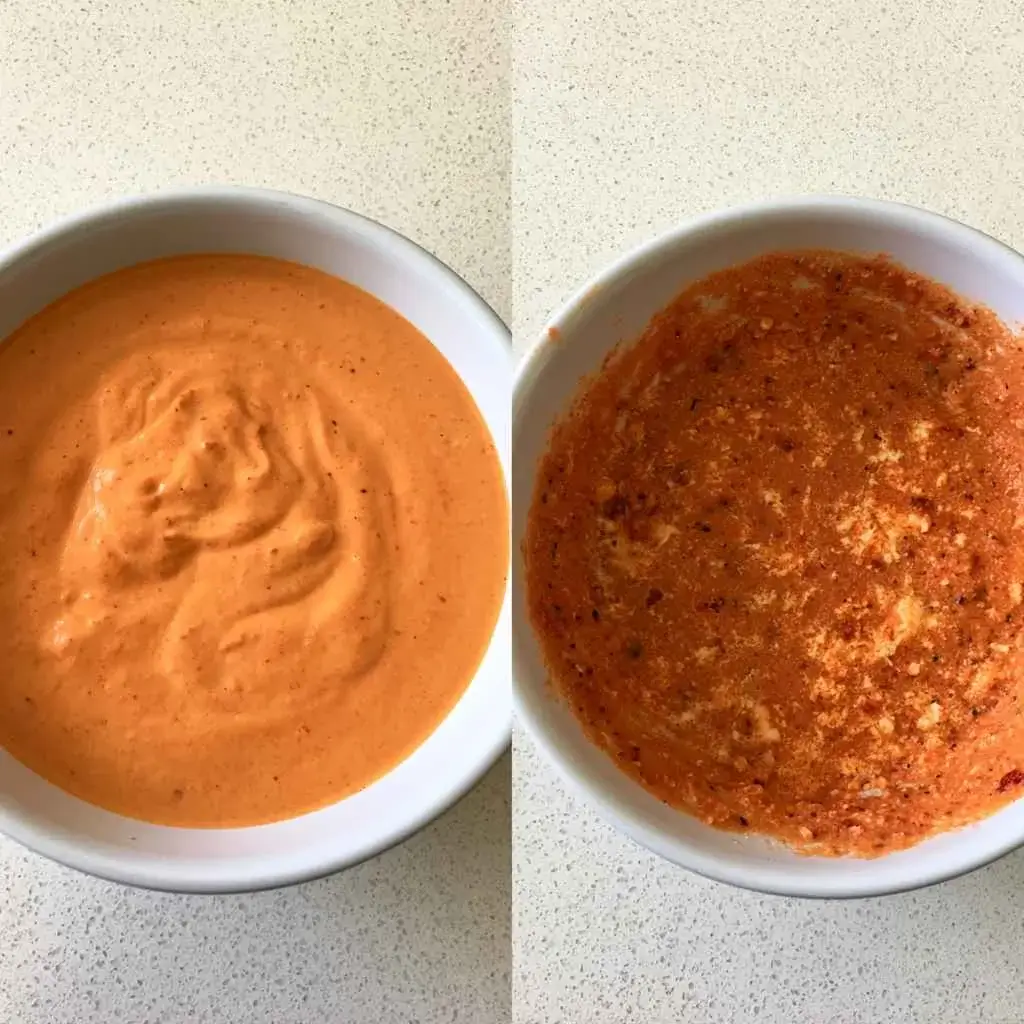
(makes “serious” face)
Here’s the discussion nobody wants to have but everybody needs: cottage cheese curdles when it gets too hot. That’s it. That’s the villain. There’s real food science behind it — the proteins in dairy tighten and squeeze out liquid when they overheat. If your high protein spaghetti sauce ever separated into grainy little islands floating in liquid, it wasn’t you — it was the heat. So here are the three rules I’d tattoo on my forearm if I were braver:
1. Blend it fully smooth first. Two to three minutes, not twenty seconds. A warm 30-second zap of the cottage cheese in the microwave before blending helps it go glassy-smooth.
2. Add it off the heat. Combine the blended cottage cheese sauce with your pasta with the burner off or on the absolute lowest setting. Never let it come to a boil.
3. If it separates anyway, don’t panic. Pull it off the heat, let it sit five minutes, then stir. It usually re-emulsifies as it cools and thickens. Sauce resurrection is real.
Nail those three and you’ll have a foolproof, creamy healthy pasta sauce every single time. This is the part I really wanted you to have, because it’s the exact thing that turns “I tried the cottage cheese sauce and it was weird” into “wait, this is my new favorite dinner.”
5 Variations to Keep It Interesting
One base sauce, a whole choose-your-own-adventure. Here’s where this high protein pasta sauce earns its keep on a busy week:
Marinara style
Stir in a spoonful of tomato paste and a pinch of Italian seasoning before blending for a rounder, deeper protein marinara sauce. Weeknight red-sauce energy, upgraded.
Alfredo / white style
Skip the tomatoes entirely and blend cottage cheese with broth, garlic, and a little Parmesan for a high protein cheese sauce that behaves like Alfredo’s smarter sibling.
Add-a-protein
Fold in cooked chicken, ground turkey, or even tuna after blending. This is the easiest way to figure out how to add protein to pasta without dirtying a single extra pan.
Spicy
Crushed red pepper or a little cayenne, right into the blender. Wakes the whole thing up.
What to Serve It With
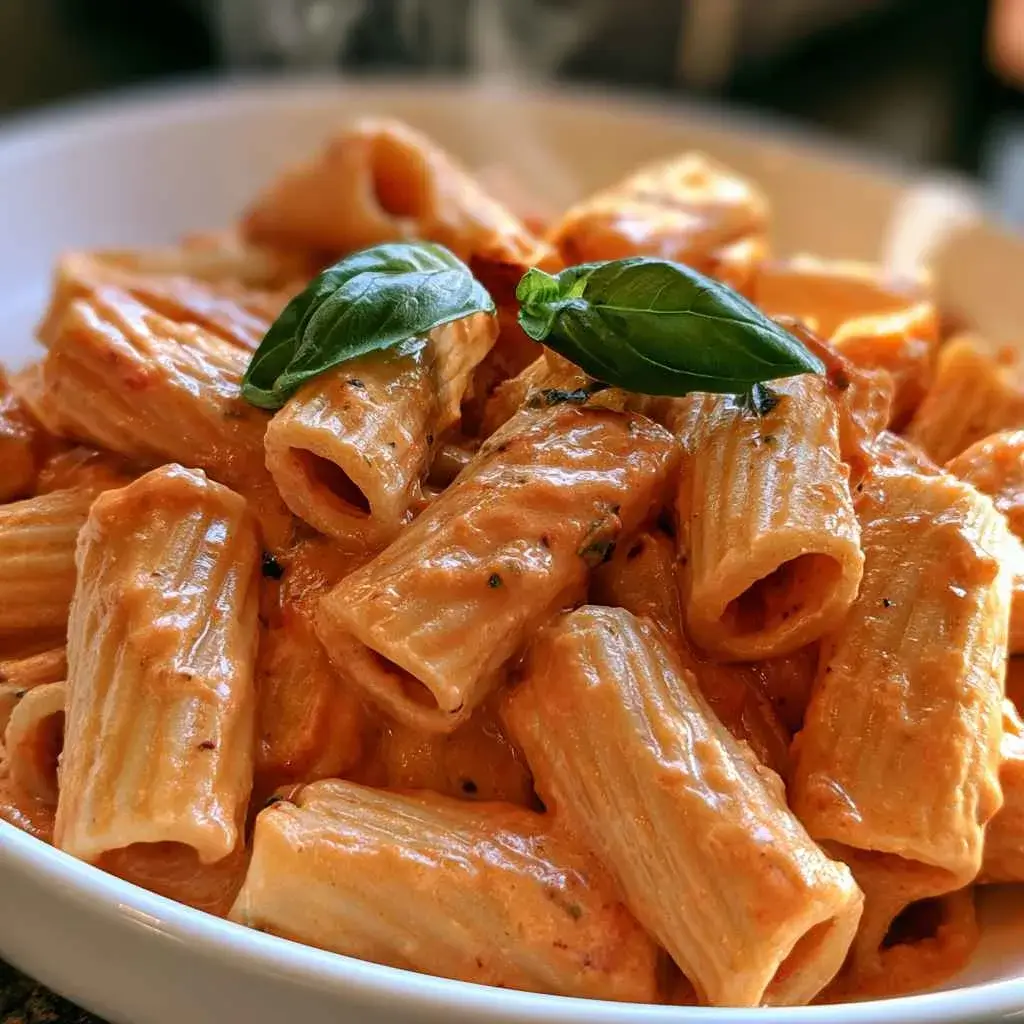
I default to rigatoni or penne because the ridges hold the sauce, but this doesn’t have to touch pasta at all. It’s fantastic over rice, spooned onto roasted vegetables, or ladled over meatballs. Want to stack the protein even higher? Reach for a high-protein pasta like Barilla Protein+ or a chickpea pasta — it turns dinner into a genuinely filling bowl. And if you’re the meal-prep type, this is one of my favorite high-protein dinners to batch on a Sunday.
Which Cottage Cheese Is Best?
Real talk, because the brand matters more than you’d think:
- Full-fat (4%): creamiest, richest, least likely to separate. My go-to.
- Low-fat (2%): a great middle ground — still blends beautifully.
- Fat-free: works and keeps things light, but the sauce runs thinner, so ease up on the broth.
Brand-wise, thicker cottage cheeses blend into a glossier blended cottage cheese pasta sauce. Good Culture, Daisy, and Nancy’s are all reliable. If yours is on the watery side, drain a little liquid off before blending. The USDA’s FoodData Central is a handy place to eyeball the numbers on whatever tub you’ve got if you’re curious what you’re working with.
Storage, Freezing & Reheating
This is where a good healthy sauce for spaghetti pulls its weight all week:
- Fridge: airtight container, up to 5 days.
- Freezer: yes, it freezes — up to 3 months. Thaw overnight in the fridge.
- Reheat: low and slow, stirring often. Remember the golden rule — no boiling — and it’ll come back creamy. A splash of broth or pasta water loosens it right up.
More High Protein Recipes
- Protein Penne Pasta (Easy Baked, 40g Protein)
- High Protein Spaghetti Recipe
- High Protein Red Sauce Pasta
- High Protein Pasta (Creamy, 45g, and Secretly Easy)
High Protein Pasta Sauce FAQs
Can you add cottage cheese to pasta sauce?
Absolutely. Blend the cottage cheese completely smooth first, then stir it in off the heat. Blending erases the curds and leaves you with a creamy cottage cheese pasta sauce — no lumps, no evidence.
How do you keep cottage cheese from curdling in pasta sauce?
Blend it smooth, add it off the heat or over very low heat, and never let it boil. Heat is the only thing that makes a cottage cheese sauce curdle or separate — control the heat and you’re golden.
What does this high protein pasta sauce taste like?
Like a creamy tomato sauce, full stop. Once it’s blended, the cottage cheese vanishes into the background and the tomato, garlic, and lemon do the talking. Nobody guesses.
Can you freeze cottage cheese pasta sauce?
Yes — up to 3 months in a freezer-safe container. Thaw overnight in the fridge and reheat gently over low heat, stirring so it stays smooth.
What cottage cheese is best for a smooth sauce?
Full-fat blends creamiest and resists separating. Low-fat and fat-free both work but give you a thinner sauce, so hold back a little on the broth.
Can I make this without a blender?
An immersion blender or small personal blender does the job. Skip the blender entirely and the sauce stays a bit grainy — blending is the step that makes it silky, so it’s worth it.
The Bottom Line
If you take one thing from all this, let it be the no-curdle rule — because a smooth, creamy high protein pasta sauce in fifteen minutes is the kind of small kitchen win that makes the whole week feel more manageable. Whether you keep it simple, go marinara, or send it in a spicy direction, you’ve now got a base sauce that works for a fast Tuesday and shows off just fine on a Friday.
Made it? Tell me what you tossed it with. Did your resident picky eater bust you, or did you get away with it clean like I always do? Drop a comment and a star rating below.