Here’s the short version, because I know some of you are already standing at the counter with a can of pumpkin in one hand and a whining kid attached to your leg: these high protein pumpkin muffins are moist, made in one bowl, and land around 9 grams of protein each thanks to Greek yogurt, eggs, and protein powder. No chalky aftertaste. No cardboard crumb. You blend, you pour, you bake — twenty-five minutes later you’ve got a batch even my extremely picky family can’t tell apart from the “real” thing.
My teenager would like me to open this differently. He read the first draft over my shoulder, made the face — you know the face, the one that says please stop existing near my friends — and asked why I couldn’t just “post the recipe like a normal person.” So, son, if you’re reading this: I’ve got 99 problems but a dry muffin ain’t one. (He is dying right now. My feel goods are going wild.)
Why these high protein pumpkin muffins work
This recipe started the way most of my good ones do: with something about to go to waste and zero grand plan. I had an open tub of Greek yogurt, half a can of pumpkin, and a scoop of protein powder rattling around the pantry. I threw it all in the blender mostly to avoid a grocery run.
The kids and their friends ate the whole tray before I could photograph a single one. Then they came back and asked when I was making more. That’s the signal. That’s the moment I knew I had something special — not because I liked them, but because a pack of teenagers who exist entirely on chicken nuggets and vibes went back for seconds.
I’ve tested these high protein pumpkin muffins countless times since — different protein powders, more pumpkin, less pumpkin, yogurt swaps, the works. I consider myself something of an expert at sneaking protein into baked goods, and my whole standard is this: it has to look AND taste like the original. If your muffin announces that it’s “healthy” the second it hits your tongue, I don’t want it. These don’t. That’s the entire point.
The honest bit: I’m a recipe developer, not a nutritionist, and I’m not here to tell you what these muffins will or won’t do for your body. I’ll give you the numbers — protein, calories, the works — as plain facts, and you can do the math for your own goals. My job is to make sure these high protein pumpkin muffins taste like something you’d actually choose to eat.
What you’ll need
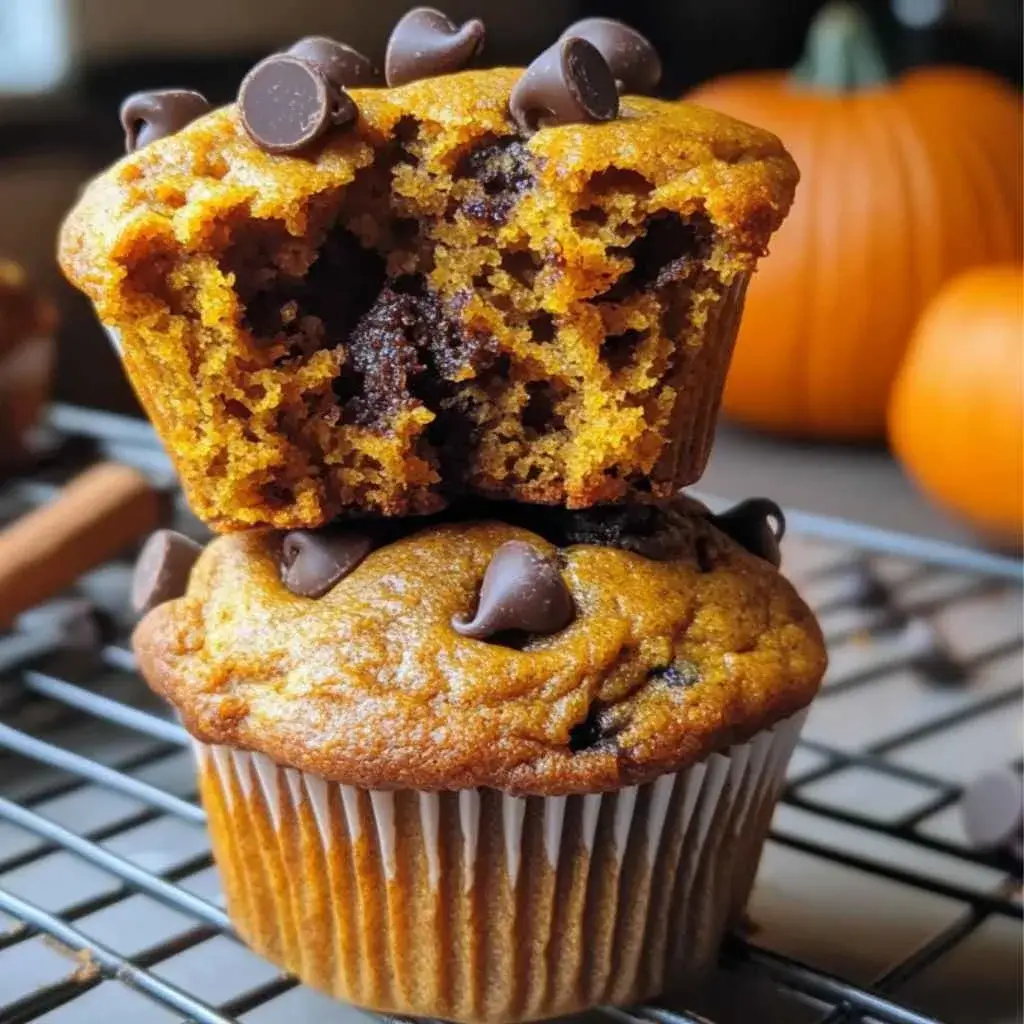

High Protein Pumpkin Muffins (9g Protein Each)
Ingredients
Equipment
Method
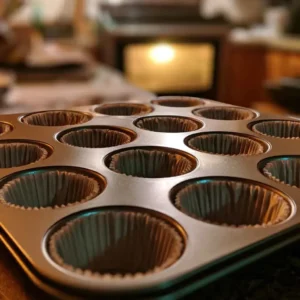
- Preheat the oven to 350°F (175°C) and line a 12-cup muffin pan with paper or silicone liners.
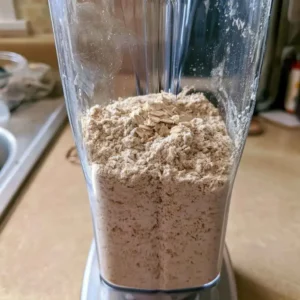
- Add the oats to a blender and blend about 30 seconds until they turn into a fine oat flour.
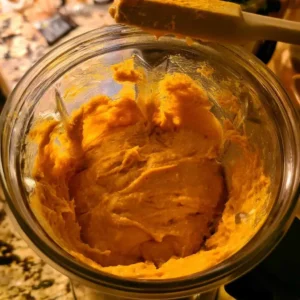
- Add the pumpkin, Greek yogurt, eggs, protein powder, pumpkin pie spice, cinnamon, baking powder, baking soda, salt, and maple syrup (if using). Blend just until combined — the batter will be thick, and that’s correct.
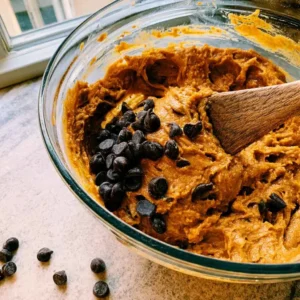
- Stir in the chocolate chips by hand, saving a small handful to press on top.
- Divide the batter evenly between the 12 muffin cups and top with the reserved chocolate chips.
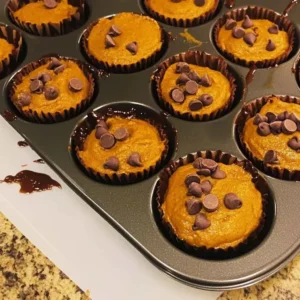
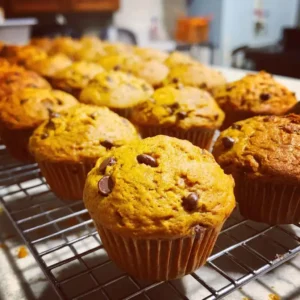
- Bake 22–25 minutes, until a toothpick inserted in the center comes out clean. Cool 5 minutes in the pan, then move to a wire rack.
Nutrition
Notes
Tried this recipe?
Let us know how it was!Short list, kitchen-staple energy. Nothing here requires a special trip unless your pantry is truly bleak. Here’s what goes into these pumpkin muffins with protein powder:
- Rolled oats — blended into oat flour (or grab pre-made oat flour if you want to skip a step).
- Pumpkin purée — the plain stuff. NOT pumpkin pie filling, which is loaded with sugar and spices and will hijack the recipe. Check the label if you’re unsure.
- Greek yogurt — this is what makes pumpkin protein muffins with Greek yogurt so moist. I use plain nonfat; use what you like.
- Eggs — two large. They bind everything and add a little more protein.
- Vanilla protein powder — whey or plant-based both work. Flavor matters more than you think (see the troubleshooting section).
- Pumpkin pie spice + cinnamon — this is your flavor engine. Be generous.
- Baking powder, baking soda, a pinch of salt.
- Dark chocolate chips — optional but strongly encouraged. This is where I stop pretending to be disciplined.
How to make oat flour
Genuinely the easiest thing you’ll do all day. Dump your rolled oats into a blender or food processor and blend for about 30 seconds, until they look like flour. That’s it. That’s the whole trick. You just saved yourself a specialty-flour purchase and unlocked oatmeal pumpkin protein muffins in the process.
How to make high protein pumpkin muffins
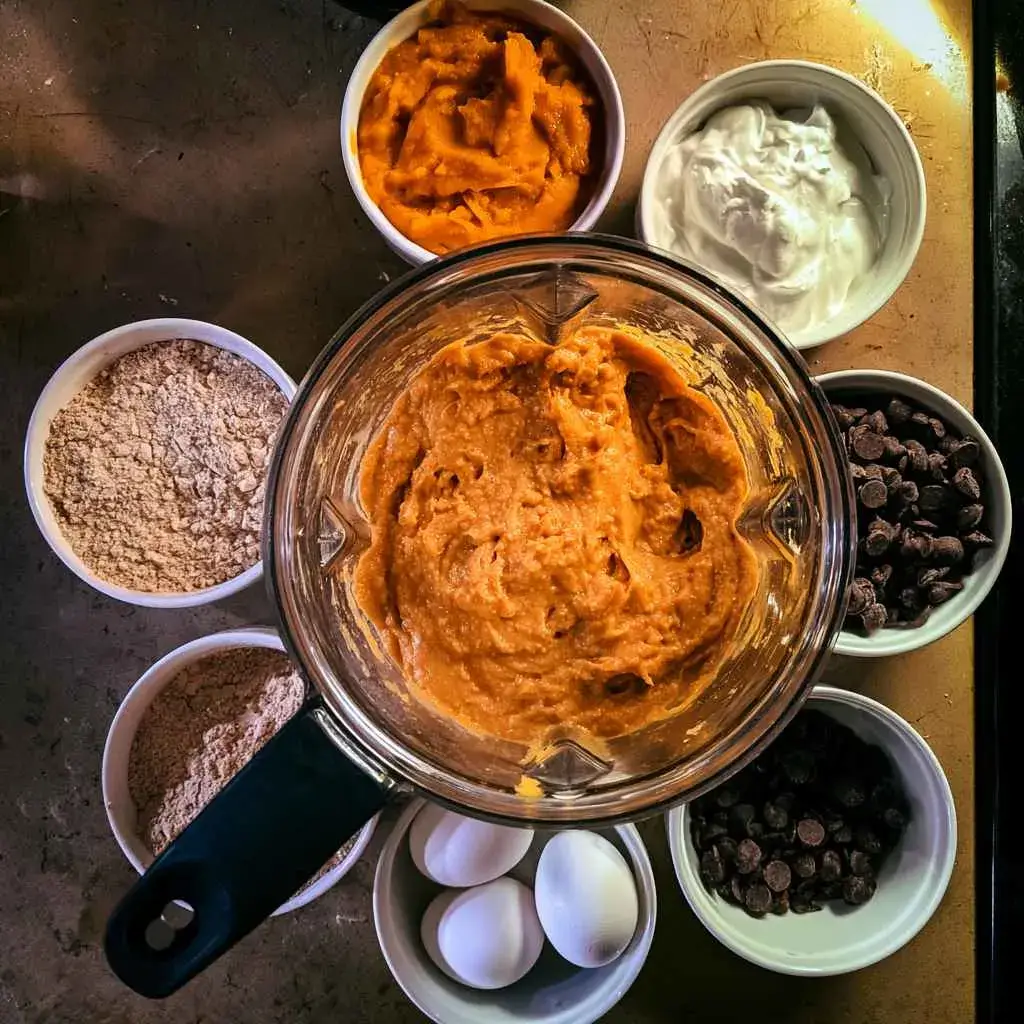
The beauty of this pumpkin protein muffin recipe is that it’s basically a “put things in a blender and press go” situation. Here’s the play-by-play:
- Heat the oven to 350°F (175°C) and line a 12-cup muffin pan. Silicone liners are your friend here — nothing sticks, nothing tears.
- Make the oat flour (see above). Blend those oats into powder.
- Add everything else except the chocolate chips — pumpkin, yogurt, eggs, protein powder, spices, baking powder, baking soda, salt. Blend just until combined. The batter will be thick. Resist the urge to thin it out; thick is right.
- Stir in the chocolate chips by hand. Save a small handful to press onto the tops — this is the difference between “homemade” and “why do these look like they came from a bakery.”
- Divide into 12 cups and crown each one with the reserved chips.
- Bake 22–25 minutes, until a toothpick comes out clean. Cool 5 minutes in the pan, then move them to a rack. (makes “serious” face) Do not skip the cooling. Warm protein muffins are structurally emotional and will crumble on you.
Swaps & variations (this is a choose-your-own-adventure)
One of the reasons this is the best high protein pumpkin muffin recipe in my rotation is how forgiving it is. Change it to fit your pantry, your macros, or your very specific household politics.
No protein powder? No problem.
Want pumpkin protein muffins with no protein powder? Leave it out and add another 1/3 to 1/2 cup of oat flour so the batter stays thick. You’ll drop the protein a bit, and since the powder also brings sweetness, you may want a spoonful of maple syrup. Still great. Still easy.
Cottage cheese instead of Greek yogurt
Blend or whip cottage cheese until smooth, then swap it in 1:1 for the yogurt. Cottage cheese pumpkin protein muffins come out just as moist with a little protein bump. If the words “cottage cheese in a muffin” make you nervous — blend it well and you’ll never know it’s there. (Even my picky family can’t tell the difference, and they’re auditioning for a role as professional food critics.)
Keep them gluten-free
Oats are naturally gluten-free but get cross-contaminated constantly, so reach for certified gluten-free oats or oat flour. Done — gluten-free pumpkin protein muffins without changing anything else.
More ways to riff
- Dairy-free: use a plant-based yogurt and plant protein; keep the batter thick and add oat flour if needed.
- Lower carb: skip the chocolate chips or use a no-sugar-added chip for low carb high protein pumpkin muffins.
- Mini muffins: use a 24-cup mini pan and bake 12–15 minutes. Great for lunchboxes.
- Extra pumpkin-spice-forward: a scoop of pumpkin spice protein muffins energy — swap in pumpkin spice protein powder and lean into the cinnamon.
- Chocolate chip lovers: double the chips and you’ve basically got pumpkin chocolate chip protein muffins. No notes.
- Chopped nuts or shredded coconut stir in beautifully. Fresh fruit does not — too wet, learned that the hard way.
Dry or bland? Let’s fix that.
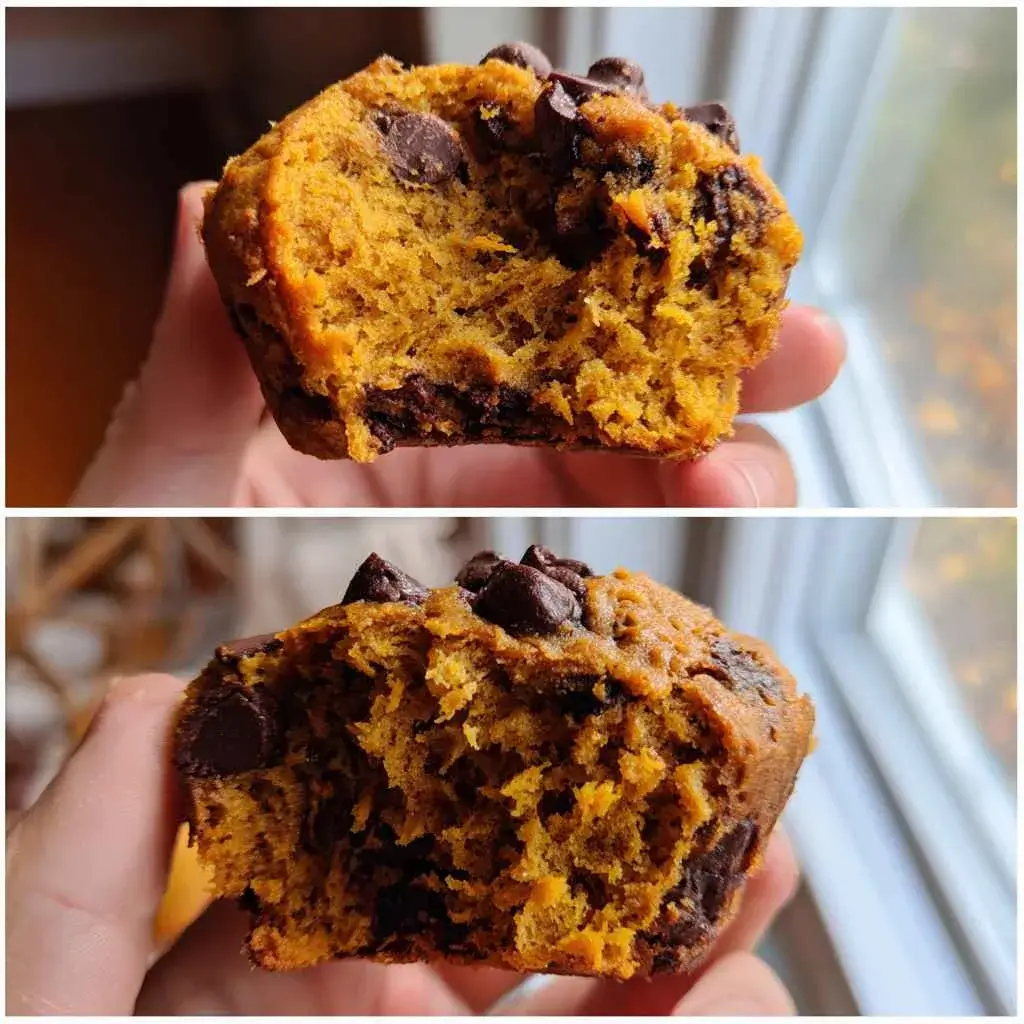
Protein baking has two classic failure modes, and I’ve hit both so you don’t have to. Here’s how to make sure your healthy pumpkin protein muffins come out right the first time.
Why are my protein muffins dry?
Two culprits. First, too much protein powder. Protein powder is like Frank’s Red Hot — you do not put that stuff on everything. If your batter is more than about half protein, you’re building hockey pucks, not muffins. Keep the ratio in check. Second, overbaking. Pull them at 22–25 minutes; the toothpick should come out clean, not bone dry. A minute too long turns moist into sad.
Why do mine taste bland?
Almost always the protein powder. Unflavored or a low-quality one leaves the whole muffin flat. Use a protein powder you’d actually drink, don’t skip the salt (it makes the spices pop), and be heavy-handed with the cinnamon and pumpkin pie spice. If your powder isn’t sweet, that optional maple syrup earns its spot.
Insider move: taste the raw batter before it goes in the pan (it’s yogurt, pumpkin, and protein — no raw-egg drama if you’re careful, or use a pasteurized egg). If the batter tastes like nothing, the muffins will too. Adjust now, not after 25 minutes of hope.
Storing & freezing your high protein pumpkin muffins
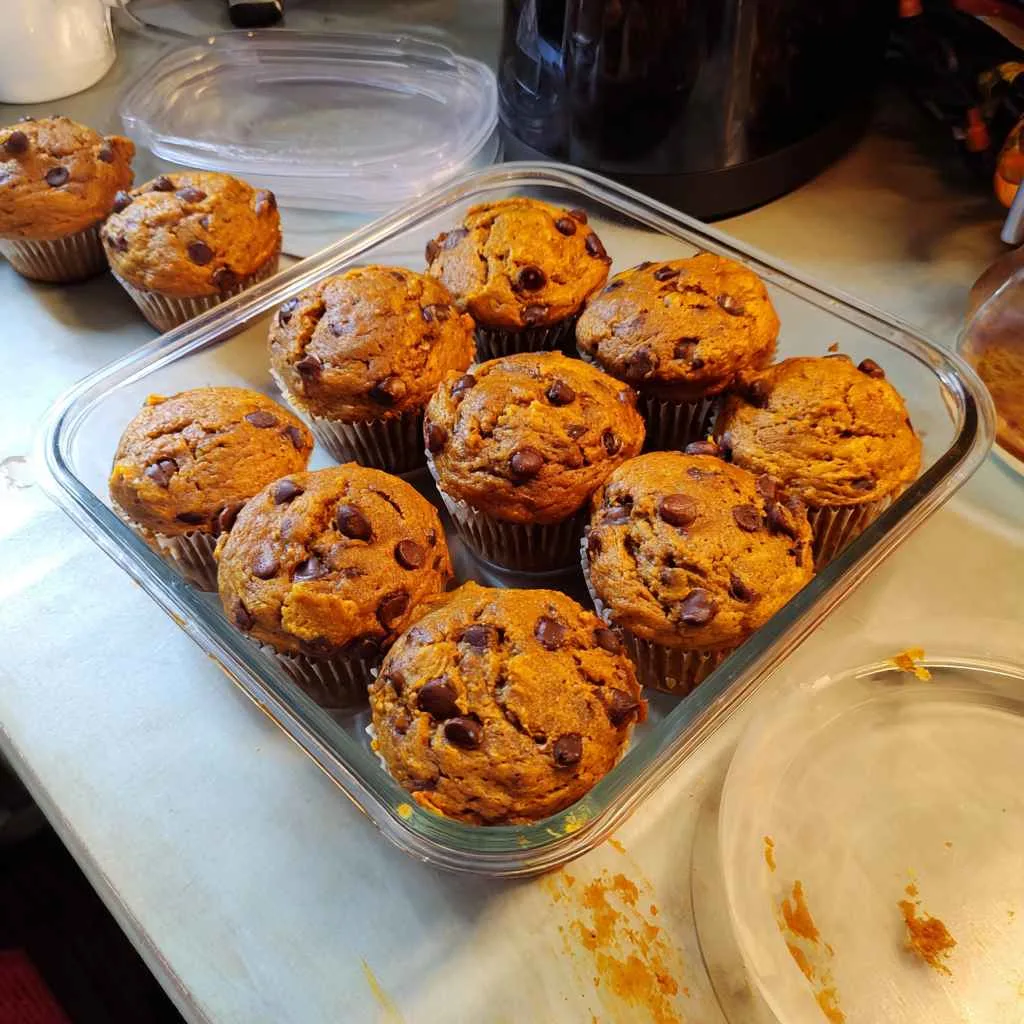
These are built for the “make once, eat all week” crowd — whether that’s post-gym fuel, a grab-and-go breakfast, or the thing that stops you from eating a gas-station donut at 10 a.m.
- Fridge: cool completely, then store in an airtight container up to 5 days.
- Freezer: wrap individually and freeze up to 3 months. Thaw overnight, or microwave straight from frozen for about 30 seconds.
- Counter: because there’s yogurt and egg in the batter, I keep these refrigerated rather than leaving them out for days.
Nutrition information (just the facts)
Here’s the part the other recipes love to leave out. No claims, no spin — just the numbers for these high protein pumpkin muffins so you can plug them into whatever you’re tracking.
| Per muffin | Amount |
|---|---|
| Calories | ~132 kcal |
| Protein | ~9 g |
| Carbohydrates | ~15 g |
| Fat | ~5 g |
| Fiber | ~2 g |
| Sugar | ~6 g |
These are estimates. Your exact numbers will move with your protein powder, yogurt, and chocolate chips — for precise figures, run your specific brands through an online nutrition calculator.
High protein pumpkin muffins FAQ
How much protein is in these muffins?
About 9 grams per muffin, based on the products I used. It comes from the Greek yogurt, eggs, and protein powder combined. Your exact number depends on your protein powder brand.
How many calories are in a high protein pumpkin muffin?
Roughly 132 calories per muffin as written. Swap ingredients — different yogurt, chips, or protein powder — and that shifts, so calculate your specific brands for precise numbers.
Can I make them without protein powder?
Yes. Skip the powder and add 1/3 to 1/2 cup more oat flour to keep the batter thick. You’ll lose some protein, and a spoonful of sweetener helps since the powder also adds sweetness.
Can I use cottage cheese instead of Greek yogurt?
Absolutely — 1:1, blended smooth first. It keeps the muffins moist and nudges the protein up a little.
Can I substitute banana for the pumpkin?
You can use about a cup of mashed banana in place of the pumpkin. It’ll be sweeter and the flavor changes completely, but the texture holds up fine.
Are these gluten-free?
They can be. Use certified gluten-free oats or oat flour, since oats are often cross-contaminated with wheat.
How do I store and freeze them?
Airtight in the fridge up to 5 days. To freeze, wrap individually up to 3 months, then thaw overnight or microwave ~30 seconds.
Can I make mini muffins?
Yes — use a 24-cup mini pan and bake about 12–15 minutes, checking with a toothpick.
More protein-packed recipes to try
If these high protein pumpkin muffins earned a spot in your rotation, you’ll want a few of these on deck too:
- 5 Easy High Protein Muffins
- Protein Chocolate Chip Muffins
- High Protein Banana Muffins
- High Protein Blueberry Muffins
- High Protein English Muffins
The bottom line
If you’ve been let down by dry, sad, “why does this taste like a protein bar in disguise” muffins before, I get it — I’ve thrown out a few tragic batches myself. But these high protein pumpkin muffins are the ones I keep coming back to, the ones the picky eaters actually request, and the ones I’m not embarrassed to hand a guest. (I may have lost some of you at the Nickelback-adjacent confidence earlier, but stick with me — the muffins deliver.)
Make a batch, mess with the swaps, make it yours. Then come back and tell me how it went — leave a rating and a comment below. Tell me what protein powder you used, whether you went team cottage cheese, and whether your household believed you when you said they were high-protein. That’s the good stuff, and it genuinely helps other bakers too.